
The myth of the free hotel upgrade is real—but it doesn't happen by magic. It happens because some travelers know how to ask, when to ask, and what actually motivates front desk staff.
After years of staying in hotels ranging from budget chains to luxury resorts, I've received dozens of free upgrades: ocean views instead of parking lot views, suites instead of standard rooms, club lounge access instead of basic breakfast. None of these required status or bribery. They required strategy.
Here are 10 tips that actually work—with none of the "bring cookies for the front desk" nonsense.

1. Join the Loyalty Program Before You Book
This is the single most effective upgrade strategy, and it costs nothing.
Every major hotel chain—Marriott, Hilton, Hyatt, IHG, Best Western—has a free loyalty program. Joining takes two minutes. You don't need elite status to benefit from membership.
What membership gets you:
- Consideration for upgrades when available
- Points toward free nights
- Free Wi-Fi (often $15-25/night otherwise)
- Late checkout upon request
- Sometimes free breakfast
The trick: Join before you book. If you book as a "guest" and then try to add your loyalty number, the upgrade consideration has already passed. For more on maximizing loyalty benefits, see our travel rewards guide.
I've received upgrades simply because I was a member—no status, just enrolled. Hotels prioritize members over non-members for room assignments.
2. Book Direct, Not Through Third Parties
Third-party bookings (Expedia, Booking.com, Priceline) are the lowest priority for upgrades. Why? Because the hotel pays a 15-25% commission to these platforms and doesn't get your direct loyalty.
When you book direct:
- You're a priority guest (not a third-party booking)
- The hotel keeps 100% of the room revenue
- You're eligible for the chain's best-rate guarantee
- You can request preferences during booking
The math: A $200 room booked through Booking.com costs the hotel $30-50 in commission. A $200 room booked direct costs the hotel nothing extra. Which guest do you think gets the upgrade when one is available?
For help choosing the right booking platform, see our guide to best hotel booking sites.
3. Ask—at the Right Time
The front desk agent has discretionary power, but only when it makes sense. Asking at 11am when rooms aren't ready? Pointless. Asking at 3pm on a slow Tuesday? Excellent timing.
Best times to ask:
- During check-in, after the agent confirms your reservation
- Midweek, during slower periods
- Off-season, when occupancy is low
- Late evening, when the team has a clearer picture of room availability
Worst times to ask:
- During hotel busy hours (6-9pm, 7-10am)
- When the hotel is at capacity
- Major events or conferences
- Check-out time, when staff is overwhelmed
What to say: "I noticed the hotel seems quiet today. If any upgrades are available, I'd really appreciate the consideration. This is my first time staying here."
Simple. Direct. Not pushy. See our guide on how to choose a hotel for more on booking strategies.
4. Mention Special Occasions—Here's How
Hotels do give upgrades for special occasions—birthdays, anniversaries, honeymoons. But only if you mention them correctly.
Do:
- Add special occasion notes during booking (most platforms have this option)
- Call the hotel 1-2 days before arrival to confirm
- Mention at check-in: "We're celebrating our anniversary"
Don't:
- Lie about the occasion (front desk sees through this)
- Demand an upgrade because it's your birthday
- Act entitled
What this actually gets you:
- Room upgrades (when available)
- Champagne or wine in the room
- Free breakfast or spa credits
- Late checkout
I once received a suite upgrade and champagne because I mentioned we were celebrating our anniversary during a slower week. The hotel had vacant suites. We got one because we asked.
5. Be Flexible with Check-In Time
Arriving at peak check-in time (3-5pm) means competing with every other guest for the front desk's attention. Arriving early can work against you—rooms aren't ready. Arriving late has its own strategy.
Best approach: Call the hotel around 2pm on your arrival day. Say:
"I'm arriving this evening and wanted to see what room you've assigned. If any upgrades are available, I'd be grateful. I'm flexible with room type."
This gives the front desk time to look at availability and potentially move you into a better room before they're overwhelmed with check-ins.
Find hotels with flexible cancellation policies on Booking.com
6. Request Specific Room Types During Booking
When booking online, most platforms let you request room preferences: king bed vs. two queens, high floor, quiet room, away from elevator. Use these.
Why this works:
- It shows you care about your room experience
- It gives the hotel direction for pre-assignment
- It creates a conversation point at check-in
What to request:
- High floor (better views, quieter)
- Away from elevator/ice machine (quieter)
- King bed (often means larger rooms)
- Specific view if the hotel offers them
At check-in, ask: "I requested a high floor away from the elevator—is that still possible, or would you recommend something else? If any better views are available, I'd really appreciate it."
7. Be Friendly, Not Transactional
This sounds obvious, but it's the most commonly ignored advice. Front desk staff are people. They process hundreds of guests, many of whom are demanding, impatient, or dismissive.
What works:
- Smile, make eye contact, ask how their day is going
- Be patient if there's a problem
- Thank them genuinely
- Be the easiest guest they've had all day
What doesn't work:
- Acting entitled
- Complaining about minor things
- Being on your phone during check-in
- Treating staff like servants
I've received upgrades purely because I was friendly. The front desk agent at a Hilton in Chicago once upgraded me to a corner suite because, in her words, "You're the first person today who asked how I'm doing."
She remembered me when I returned a year later.
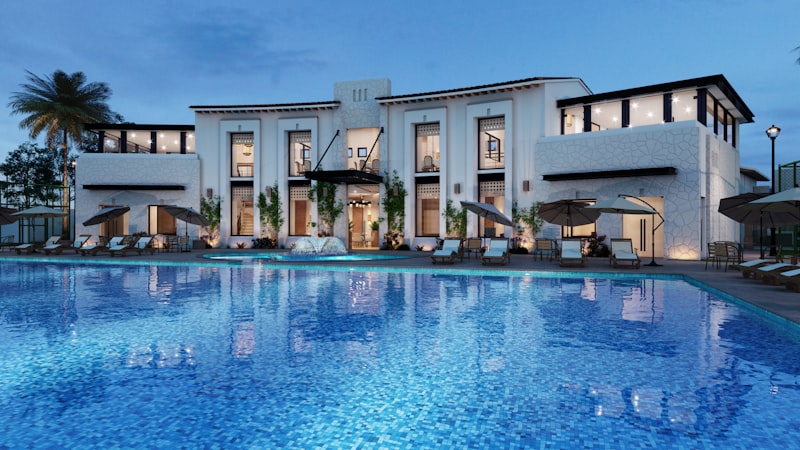
8. Stay at New Hotels or Recently Renovated Properties
New hotels and renovated properties compete for attention. They need positive reviews, social media mentions, and return guests. This makes them more generous with upgrades.
Why this works:
- New properties want to impress
- They often have more premium rooms than they can sell at full price
- Staff are motivated to create memorable experiences
How to find them:
- Check hotel websites for "newly renovated" claims
- Read recent reviews mentioning renovations
- Look for properties that opened in the past year
I've had more luck at new hotels than established ones. A brand new Hyatt Place in Nashville put me in a corner suite on my first stay—"to show you what we can do."
9. Use Your Credit Card Benefits (If You Have Them)
Certain credit cards provide automatic hotel status or upgrade benefits:
Cards with Marriott Bonvoy status:
- Marriott Bonvoy Brilliant (Gold Elite)
- Various Chase cards with Marriott ties
Cards with Hilton status:
- Hilton Aspire (Diamond status)
- Hilton Surpass (Gold status)
Other upgrade benefits:
- Chase Sapphire Reserve: $50 annual hotel credit + potential upgrades through Fine Hotels & Resorts
- Amex Platinum: Fine Hotels & Resorts program with guaranteed upgrades when available
If you have these cards, use them. The status is automatic. For more on travel cards, see our credit card rewards guide.
10. Accept the "No" Gracefully
Here's the reality: you won't get an upgrade most of the time. Hotels maintain their best rooms for paying premium guests. During busy periods, there are no upgrades to give.
When you hear "no":
- Accept it without complaint
- Thank them for checking
- Continue being friendly
Why this matters:
- Staff remember rude guests
- Being gracious makes future stays easier
- You might still get a late checkout or other perks
What not to do:
- Demand to speak to a manager
- Leave a negative review
- Be visibly upset
The same front desk agent who couldn't upgrade you today might help you next month. Don't burn bridges.

Strategies That DON'T Work
Before you try the internet's other advice, here's what doesn't work:
"Slipping the front desk $20"
Most chains prohibit staff from accepting tips for room assignments. If they're caught, they lose their job. Independent hotels might still accept, but it's awkward and rarely worth the risk of rejection.
"Waiting until midnight to check in"
Yes, the night auditor has more latitude. No, they won't upgrade you just because you waited. All you'll get is a tired employee and potentially worse service.
"Checking in early"
Rooms aren't ready before 2-3pm at most hotels. You can't get an upgrade to a room that's not clean yet.
"Posting on social media during check-in"
Front desk staff don't care about your Instagram following. Most "influencer upgrade" stories are exaggerated or fabricated.
The Realistic Success Rate
Let's be honest about expectations:
| Situation | Upgrade Likelihood |
|---|---|
| Loyalty program member, booked direct, slow period | 30-40% |
| Non-member, third-party booking, slow period | 5-10% |
| Loyalty program member, busy period | 5-10% |
| Non-member, busy period | Near 0% |
Most of the time, you'll get the room you booked. But these strategies cost nothing and dramatically improve your odds when an upgrade is available.
Bonus: Other Perks You Can Request
Even if you don't get an upgrade, these are worth asking for:
Free perks to request:
- Late checkout (often granted, especially for members)
- High floor room (better views)
- Quiet room (away from elevator and ice machines)
- Room away from vending machines
- Turn-down service (at full-service hotels)
For fee-based upgrades:
- Ask the price difference—often $20-50 for a much better room
- Negotiate politely if the price seems high (especially at slower times)
Putting It All Together: A Check-In Strategy
Here's the entire check-in conversation that's worked for me:
- Arrive during off-peak hours (2-4pm or 8-9pm)
- Greet warmly: "Hi, how's your day going?"
- Confirm reservation: "I'm Matt Smith, I have a reservation for check-in."
- Mention loyalty (if applicable): "I'm a Marriott Bonvoy member, should have that on file."
- Mention occasion softly: "We're actually celebrating our anniversary, really excited to be here."
- Make the ask: "I know it's a busy time, but if any upgrades are available, I'd really appreciate it. Either way, we're excited for our stay."
- Accept gracefully: If yes—"Thank you so much, that's very kind." If no—"No problem, thanks for checking. Is it possible to get a room on a higher floor/away from the elevator?"
This approach costs nothing, takes 30 seconds, and has secured me upgrades I wouldn't have received otherwise.
Find hotels with great review scores on Trip.com
The Bottom Line
Free hotel upgrades aren't magic—they're the result of strategy, timing, and basic human decency. The key principles:
- Join loyalty programs before you book (free and essential)
- Book direct whenever possible
- Ask politely at the right time
- Be the kind of guest front desk staff want to help
- Accept "no" gracefully
Most travelers never ask. By asking—politely, strategically, at the right time—you're already ahead of them. And when you do get that ocean-view suite instead of a parking lot room, enjoy the win. It won't happen every time, but it happens more often than you'd think.
For help choosing the right hotel in the first place, see our guide on how to choose a hotel.