
Most people choose hotels based on two factors: price and location. Maybe a third if they're being thorough—star rating.
That's a mistake.
We've stayed in budget hotels that exceeded expectations and luxury properties that disappointed. The difference wasn't the price. It was the factors most people don't think about.
Here are 15 factors that actually matter when choosing a hotel—factors that separate disappointing stays from great ones.
1. The Exact Location (Not Just the Neighborhood)
Hotels love to say "walking distance to downtown" or "near the Eiffel Tower." What they don't say is that "near" can mean a 20-minute walk through uninteresting streets.
What to check:
- Exact distance in meters/miles—verify on Google Maps
- Walking route quality—is it through a nice neighborhood?
- Public transit stops nearest to the hotel
- What's actually walkable vs. requiring transit
A hotel "10 minutes from downtown" might be 10 minutes by car—through traffic. Or 10 minutes walking—up a steep hill. Or 10 minutes via transit—with a transfer.
Open Google Maps. Drop the street view person at the hotel. Actually see what the walk looks like.

2. Room Size and Layout
Photos lie. Wide-angle lenses make rooms look massive. What looks spacious online can feel cramped in person.
What to check:
- Square footage or square meters (if listed)
- Bed size and configuration
- Photos that show the whole room, not just corners
- Reviews mentioning room size
A standard queen room at one hotel might be 200 sq ft, while another offers 350 sq ft for similar prices. That extra space matters when you're living there for several nights.
For longer stays: Request room layouts. Business hotels often have desk areas; boutique hotels might not. If you're working, that matters.
3. The Neighborhood at Night
A location can be perfect during the day and uncomfortable at night.
What to check:
- Walk the neighborhood on Google Street View
- Read recent reviews mentioning the area
- Check crime maps for major cities
- Look up the area name + "safe at night"
We once booked a hotel near the train station because it was "convenient." What we didn't realize is that train station neighborhoods in many cities are sketchy after dark. The walk back from dinner felt longer than it should have.
4. What's Included in the Room Rate
The listed price is never the actual price. But beyond taxes, there's more to consider.
What's NOT included:
- Resort fees ($25-50/night at many properties)
- Parking ($15-45/night in cities)
- Breakfast ($15-30/person if not included)
- Wi-Fi (some luxury hotels still charge)
- Gym access (rare but happens)
- Pool/sauna access
The comparison:
- Hotel A: $120/night, free breakfast, free Wi-Fi, free parking = $120 actual
- Hotel B: $100/night, $25 resort fee, no breakfast, $20 parking = $145+ actual
Hotel B looks cheaper. It's not.

Compare total prices including fees on Trip.com
5. Review Recency and Patterns
A 4.5-star rating means nothing if the reviews are from 2019.
What to check:
- Reviews from the past 6-12 months only
- Patterns across multiple reviews (not one-off complaints)
- Management responses (good hotels respond to negative reviews)
- Photos from guests (not just professional photos)
Red flags in reviews:
- "Under renovation" (noise, disruption)
- Issues with cleanliness (never just one time)
- Noise complaints (thin walls, bad location)
- Problems with Wi-Fi (especially for business travelers)
- AC/heating issues (common in older properties)
We once ignored "thin walls" in multiple reviews. Mistake. Listening to every neighbor's conversation at 2am taught us to believe patterns.
6. Sound Quality and Noise
Thin walls ruin stays. You wouldn't know until you're there—or until you read reviews carefully.
What to check:
- Reviews mentioning noise, thin walls, or sound
- Hotel type (older boutique hotels often have thin walls)
- Location (near clubs, bars, busy streets)
- Floor plan (rooms near elevators, stairwells, or ice machines are noisier)
If available: Request upper floors away from elevators and facing away from busy streets. Most hotels will accommodate early requests.
7. Internet Speed and Reliability
Fast Wi-Fi is essential, not optional. Unfortunately, hotels rarely advertise actual speeds.
What to check:
- Recent reviews mentioning Wi-Fi quality
- Business hotels (usually prioritized for business travelers)
- Hotels that list "high-speed internet" vs. basic "Wi-Fi"
- Consider mobile backup (international SIM or hotspot)
We've left hotels early because the Wi-Fi couldn't handle a video call. For remote workers, this matters more than almost anything.
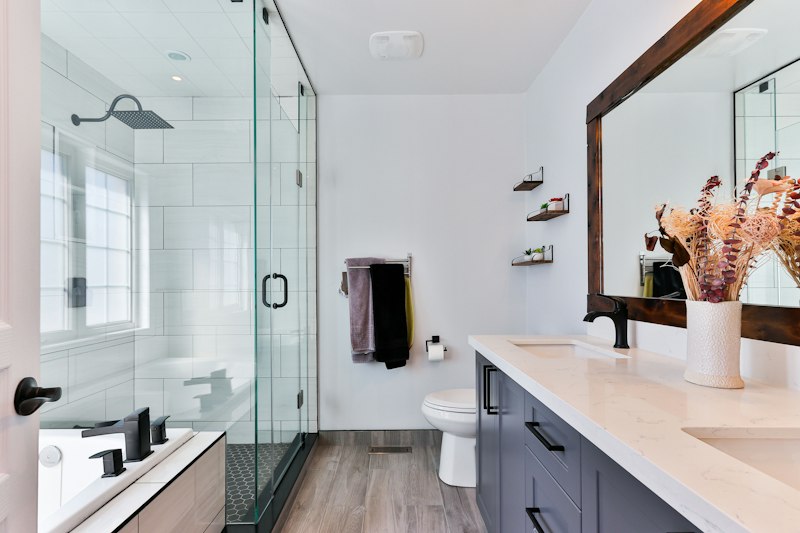
8. Bathroom Configuration
Private bathroom vs. shared is obvious. But there's more to consider.
What to check:
- Is the bathroom private and ensuite?
- Is there a tub, shower, or both?
- Is there a door on the bathroom? (some budget hotels have open concepts)
- Is there counter space for toiletries?
We booked a "boutique hotel" that had a bathroom pod in the middle of the room—no door, just glass. Fine for couples. Not fine for business trips or friends sharing a room.
9. Temperature Control
Older hotels often lack individual climate control. This is a bigger deal than it seems.
What to check:
- In-room climate control vs. central HVAC
- Reviews mentioning temperature issues (too hot, too cold)
- Window operation (can you open windows?)
We stayed at a European hotel where the heating was building-controlled. It was 80°F in our room. Opening windows let in noise. Not great.
10. Check-In and Check-Out Times
This sounds basic, but policies vary significantly.
What to check:
- Check-in time (2pm, 3pm, 4pm?)
- Check-out time (10am, 11am, noon?)
- Early check-in availability
- Late check-out availability and cost
- Luggage storage before check-in/after check-out
If your flight arrives at 8am and check-in isn't until 3pm, that's 7 hours of walking around tired. Early check-in or luggage storage is valuable.
11. Building Type and History
Not all hotels are purpose-built hotels. Many are converted buildings.
What to check:
- Is it a purpose-built hotel or converted building?
- Does it have an elevator? (converted historic buildings often don't)
- What floor is the room on?
We once booked a "charming historic hotel" and dragged luggage up 4 flights of narrow stairs. No elevator in a 17th-century building. The charm wore off quickly.
12. Cancellation Policy
Non-refundable rates save money—but only if your plans don't change.
What to check:
- Fully refundable vs. non-refundable rates
- Deadline for free cancellation
- Hotel's flexibility for last-minute changes
- Travel insurance coverage for cancellations
We book refundable rates when plans might change and non-refundable for confirmed trips. Our hotels vs. vacation rentals guide covers similar considerations for rental properties.
13. Loyalty Program Integration
If you travel even occasionally, this matters.
What to check:
- Does this hotel chain have a loyalty program?
- Is it part of a network (Marriott Bonvoy, Hilton Honors, IHG)?
- Can you earn or redeem points?
- Does your credit card offer status match?
Loyalty program members get:
- Free Wi-Fi
- Late check-out
- Room upgrades (when available)
- Free breakfast at some properties
- Points toward free nights
Even occasional travelers should join. It's free. More on this in our travel rewards guide.

14. Food and Dining Options
Especially for longer stays or business trips.
What to check:
- Is breakfast included? What kind?
- Is there an on-site restaurant?
- Are there restaurants within walking distance?
- Are there grocery stores nearby?
A hotel with free breakfast saves $30-50 per person per day. A hotel in a food desert means expensive room service or long walks.
Breakfast types:
- Continental: pastries, coffee, juice (minimal)
- Continental+: adds cereal, yogurt, fruit
- Hot breakfast: eggs, meat, hot items (substantial)
- Full breakfast: extensive buffet (excellent)
"Breakfast included" doesn't tell you which kind you're getting. Check the reviews.
15. Guest Demographics and Atmosphere
A party hotel, a business hotel, and a family hotel feel completely different.
What to check:
- Target demographic (business travelers, families, couples, party crowd)
- Pool/hot tub hours and policies
- Bar/restaurant atmosphere
- Reviews mentioning crowd type
For business: Choose business-oriented hotels. Quiet, functional, good Wi-Fi.
For families: Avoid party hotels or boutique properties. Family-focused chains understand your needs.
For couples: Avoid family hotels with screaming kids and business hotels with corporate travelers up all night.
We once booked a trendy hotel that turned out to be a wedding venue. We listened to a reception until midnight. Not the quiet stay we wanted.

Read verified guest reviews on Booking.com
How We Actually Choose Hotels
Our process, step by step:
Set budget range: Be realistic about what we can afford.
Define must-haves: Private bathroom, good location, Wi-Fi. Non-negotiables.
Filter by neighborhood: Areas that make sense for this trip.
Compare total costs: Including fees, breakfast, parking.
Read recent reviews: Past 6 months, looking for patterns.
Check Google Maps: Street view walk, transit access, restaurants nearby.
Check cancellation policy: Refundable unless plans are locked.
Book directly: When possible, for better customer service.
Join loyalty program: Before booking for points.
Request preferences: Upper floor, quiet room, away from elevator.
This takes 20-30 minutes per booking. That's less time than we'd spend dealing with a bad hotel.
Red Flags That Make Us Cancel
- Multiple recent complaints about cleanliness
- Under renovations (check for construction dates)
- Location described in vague terms ("near downtown")
- Wi-Fi complaints from business travelers
- Photos that don't show the full room
- Prices drastically lower than competitors (something's wrong)
- No reviews in 12+ months (suspicious or closed)
Green Flags That Make Us Book
- Reviews consistently mention helpful staff
- Management responds to negative reviews
- Clear, specific location information
- Multiple room photos showing entire space
- Breakfast is substantial (not just pastries)
- Part of a loyalty program we use
- Responsive to pre-arrival inquiries
The Bottom Line
A good hotel isn't about thread count or lobby chandeliers. It's about whether the room meets your needs, the location works for your trip, the price you pay includes what you expect, and the experience matches reviews.
Spend 30 minutes researching before booking. It saves hours of frustration later.
Still deciding between hotels and vacation rentals? Our hotels vs. vacation rentals comparison breaks down when each makes sense for your trip.