
Budget travel has an image problem. When people hear "travel on a budget," they imagine sleeping in 12-bed hostel dorms, cooking pasta in communal kitchens, and living out of a backpack for months on end.
That's not what this guide is about.
You can travel comfortably without spending a fortune. Hotels over hostels. Restaurants over instant noodles. Actual privacy. The trick is knowing where to save and where to splurge.
After years of figuring this out—often the hard way—here's how we travel comfortably on a budget.

The Philosophy: Spend Smart, Not Less
Budget travel isn't about spending nothing. It's about spending intentionally.
We allocate money to what matters and cut ruthlessly on what doesn't. This isn't about depriving yourself—it's about making strategic choices so you can afford more trips.
The rule: Every dollar saved on logistics (flights, transport, accommodations) is a dollar available for experiences (food, activities, memories).
Flights: The Biggest Opportunity
A $400 flight difference covers a lot of nice dinners. This is where budget travelers should focus first.
Our complete cheap flight guide covers this in detail, but here's the short version:
- Book during golden windows: Domestic flights 1-4 weeks out, international 2-8 months out. Tuesday and Wednesday bookings often beat weekend searches.
- Use Google Flights flexible dates: See the cheapest day to fly within a month at a glance.
- Consider alternate airports: Flying into Oakland instead of SFO can save $150+. Just factor in ground transportation.
- Browse incognito: Airlines track your searches and raise prices. Private browsing prevents this.
Compare flights across 800+ airlines to find the best deals
Hotels vs. Hostels: The Real Math
Here's the uncomfortable truth about hostels: they're not always cheaper.
A hostel bed in a major city: $40-80/night for a dorm bed
A budget hotel room: $80-120/night for a private room
If you're traveling as a couple, two hostel beds often cost more than one hotel room. The math is even worse for families.
When hostels make sense:
- Solo travelers (one bed = cheaper than a room)
- Social travelers (you want to meet people)
- Very short stays (just need a place to crash)
When hotels make more sense:
- Couples or groups (split costs favor private rooms)
- People who value privacy and quiet
- Longer stays (you need space to decompress)
- Business travelers or remote workers

We stayed in hostels when we were younger. Now we book hotels almost exclusively. The price premium for privacy is worth it—especially after a long day of exploring.
The Sweet Spot: Budget Hotels
Not luxury. Not hostels. The middle ground is where comfortable budget travel lives.
What to look for:
- 3-star properties: Clean, safe, basic amenities without the premium pricing
- Business hotels: Built for functionality over style, often well-located
- Family-owned properties: Fewer amenities, more character, better prices
- Properties outside city centers: A 15-minute walk or quick transit ride saves 30-50%
We've stayed at many 3-star hotels that cost $60-90/night and were perfectly comfortable. Clean rooms, private bathrooms, decent wifi. No room service or turndown service, but who needs that?
Find budget hotels with honest reviews on Trip.com
Food: Don't Eat Every Meal Out
This is where budget travel goes wrong. Eating three restaurant meals daily adds $100+ per person per day in expensive cities.
Our approach:
Breakfast: Always at the hotel or accommodation. Free hotel breakfast is worth its weight in gold. If not included, we buy groceries—yogurt, fruit, pastries from a local bakery. $5-10 total.
Lunch: Eat out. Lunch menus are cheaper than dinner. Street food works too. $10-20 per person.
Dinner: Cook at accommodation or eat out modestly. We don't need Michelin stars every night. $15-30 per person.
Total food budget: $30-60 per person per day (vs. $100+ at restaurants only)
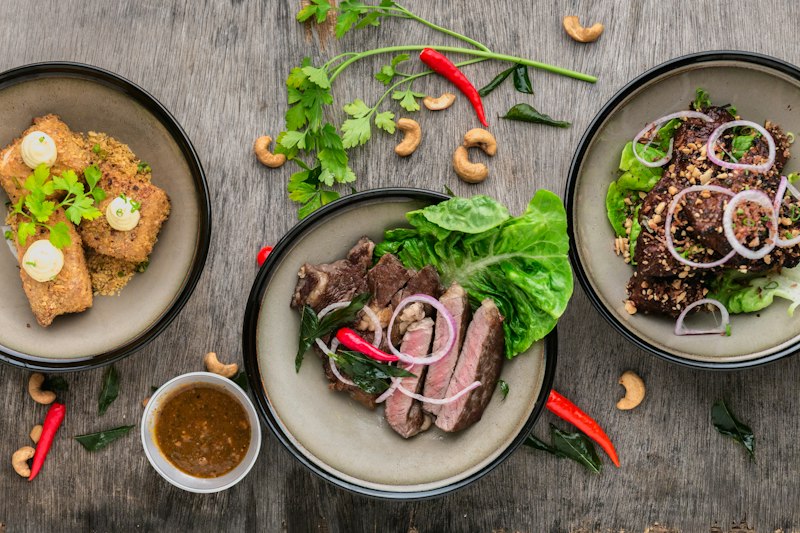
Tips for affordable eating:
- Download apps like HappyCow for vegetarian options or use Google Maps for "food near me"
- Eat where locals eat (tourist restaurants charge tourist prices)
- Grocery shop at the beginning of your trip for snacks and basics
- Avoid restaurants near major attractions (walk 3 blocks away and prices drop)
- Try the fixed-price lunch menus common in Europe
Splurge vs. Save: Our Framework
Not all spending is equal. We splurge on things that enhance the trip; we save on things that don't.
Splurge on:
Location for short trips: When you have 48 hours, paying extra to be walkable to everything saves time and transit costs.
Unique experiences: A cooking class, private tour, or special activity is worth the money if it's memorable.
Sleep quality: We book direct flights when the price difference is reasonable. Arriving exhausted ruins the next day.
Safety: We don't cut corners on safe accommodations in safe neighborhoods.
Save on:
Airport transfers: Public transit or rideshares beat taxis from airports almost everywhere.
Tourist traps: Overpriced attractions with long lines and mediocre experiences.
Souvenirs: We buy one meaningful thing, not 20 small things.
Alcohol: Drinks at restaurants cost 3x what they cost at stores. We buy wine at markets and drink at our accommodation.
Data roaming: We get a local SIM or international plan, not pay-per-use roaming charges.
Transportation: Getting Around
In cities: Public transit is almost always the answer. Day passes in Europe often cost less than one taxi ride. We learn the system on day one and use it for everything.
Between cities: Buses and trains beat flights for short distances when you factor in airport time. Rome2Rio shows all your options.
Rideshares: Useful for late nights or when transit doesn't go where you need. Split rides when possible.
Renting cars: Only when public transit doesn't exist or you're exploring rural areas. Otherwise, it's expensive and stressful.
Free Activities: More Than You Think
Every city has free attractions. Most travelers skip researching them.
- Parks and public spaces: Often the best part of a city
- Walking tours: Tip-based tours exist in most major cities
- Museums on free days: Many European museums have free admission monthly or weekly
- Religious sites: Churches, temples, mosques often welcome visitors (dress appropriately)
- Markets: Free to browse, cheap to buy snacks
- Beaches, hikes, viewpoints: Nature doesn't charge admission
We budget for one paid activity per day maximum. Everything else is exploring, walking, and discovering.

Timing: Travel Shoulder Season
Peak season means peak prices. Summer in Europe. Winter in ski towns. Holidays everywhere.
Shoulder season—the weeks before and after peak—costs 30-50% less with nearly the same experience.
Our favorite shoulder seasons:
- Europe: Late April to early June, September to October
- Caribbean: Late April to mid-December (avoid hurricane season)
- Southeast Asia: November to early December, February to March
- Japan: March-May cherry blossom season is expensive; try November for fewer crowds
Flights cost less. Hotels cost less. Attractions have shorter lines. You can actually get dinner reservations.
The Daily Budget Framework
We plan daily budgets by category:
Accommodation: $60-120/night (budget hotels, booked in advance) Food: $40-70/day (mix of restaurants and self-catering) Transportation: $10-30/day (public transit, occasional rideshare) Activities: $20-50/day (one paid activity plus free exploration)
Total: $130-270 per person per day for comfortable travel
For context, that's less than a weekend at home for many people. And you're experiencing a new place.
Book tours and activities with free cancellation on Civitatis
Common Budget Travel Mistakes
1. Overplanning every minute
Packed itineraries sound efficient but lead to burnout. We plan 2-3 activities per day maximum. The rest is wandering.
2. Staying too far from the center
A cheaper hotel 45 minutes outside the city isn't a deal. You lose hours in transit and spend more on getting around.
3. Dining at tourist attractions
That restaurant next to the Eiffel Tower? It's going to be expensive and mediocre. Walk 10 minutes away.
4. Booking the first thing you see
We comparison shop on multiple sites before booking anything. Prices vary wildly.
5. Ignoring total costs
A $50 flight looks cheap until you add $40 for luggage and $30 for airport transit. Always check the total.
Money-Saving Hacks That Work
Travel rewards credit cards: Points and miles fund flights. We discuss whether they're worth it in our guide, but used responsibly, they're free money.
Loyalty programs: Join every hotel and airline program. Points accumulate and status has benefits.
Local SIM cards: $10-20 for international data beats $100 in roaming charges.
Happy hour dining: Many restaurants offer discounted food during happy hour.
Student, senior, or military discounts: Always ask. Many places don't advertise them.
City tourist cards: Some cities offer passes that include transit and attractions. Do the math—sometimes they're worth it, sometimes not.
Cook one meal per day: Breakfast is easiest. Save $15-30 daily.
The Bottom Line
Comfortable budget travel is about choices, not suffering.
You can stay in hotels, eat well, and do meaningful activities without spending a fortune. The keys are booking strategically, mixing restaurants with self-catering, knowing where to splurge, and traveling during shoulder seasons.
We've traveled this way for years. Our trips aren't luxurious, but they're not miserable either. They're comfortable, memorable, and affordable.
The goal isn't to travel as cheaply as possible. It's to travel as often as possible while still enjoying yourself.
Want to save even more? Our guide on finding cheap flights covers flight booking strategies that can save you hundreds per trip.