
Miami has a split personality. Half the city is famous for beaches, hotels, and nightlife—the Miami of tourist ads. The other half is Cuban culture, art districts, and neighborhoods that feel worlds away from South Beach. Both are the real Miami, and both are worth experiencing in 48 hours.

The trick is balancing them. You can spend an entire weekend at the beach and miss the art deco architecture, Cuban coffee, and Wynwood murals. Or you can pack too much and return exhausted. This guide helps you find the middle ground—beach time, cultural experiences, and enough flexibility to adapt to your energy level.
The Strategy: Beach and Beyond
Miami splits naturally into zones. South Beach is the tourist-heavy beach area. Downtown/Brickell is the urban center. Wynwood is the arts district. Little Havana is the cultural heart. Key Biscayne and Coconut Grove offer quieter alternatives.
Our approach for 48 hours: Day 1 for South Beach and the classic Miami experience. Day 2 for neighborhoods and culture. This gives you the iconic Miami moments plus the places that make the city unique.
Where to Stay
South Beach: The classic choice. Walking distance to beach, restaurants, nightlife. Most expensive. Resorts on Ocean Drive ($300-500/night) vs. hotels one block inland ($150-250/night). The one-block difference saves significant money without sacrificing convenience.
Downtown/Brickell: Urban Miami. Modern hotels near business district. Easy access to Little Havana and Wynwood. Waterfront views. Hotels cheaper than South Beach ($120-200/night). Better for travelers who want city energy over beach lounging.
Mid Beach: Between South Beach and North Beach. Quieter, more residential. Good hotels at moderate prices. A 15-minute walk or short Uber to South Beach action.
Key Biscayne: Resort area. Quiet, upscale. Beautiful beaches without South Beach chaos. Requires a car or rideshares to reach other areas. Best for travelers who want resort vibes.
Budget consideration: South Beach parking costs $20-40/night at hotels. Factor this into your decision if you're driving.
Compare Miami hotels across multiple booking platforms
Getting There and Around
From the airport: Miami International (MIA) is 20-30 minutes from South Beach by car.
- Uber/Lyft: $25-40 to South Beach, $15-25 to Downtown.
- Taxi: Similar, with fixed rates to Miami Beach ($33).
- Public transit: The 150 Airport Flyer bus runs to Miami Beach ($2.65). Takes longer but cheapest option.
Getting around:
- South Beach: Walking and bikeshare cover most needs. The beach area is compact.
- Between neighborhoods: Uber/Lyft is the standard. South Beach to Little Havana is $10-15. South Beach to Wynwood is $15-20.
- Public transit: Miami has buses and a Metrorail. Not as comprehensive as NYC or Chicago. Use it for specific routes but don't rely on it for everything.
Pro tip: Download the Citi Bike app for Miami. Bikeshare is practical in South Beach and Downtown. E-bike options available.
Day 1: South Beach Classic
Morning: Beach and Boardwalk
Start early. By 11am, South Beach gets crowded and parking becomes difficult. Arrive by 9am and claim your spot.
The beach itself: Free. Miles of sand, warm water, lifeguards. The southern end (South Pointe) tends to be quieter. The central area near Ocean Drive is where the action is.
The famous lifeguard towers are scattered along the beach. They're photogenic landmarks. Each has a different design. Walking the length of South Beach to see them all takes about 45 minutes each way.
South Pointe Park: The southern tip of Miami Beach. Includes a park, pier, and views of cruise ships departing from the port. Less crowded than central South Beach. Worth the walk or short Uber.
Breakfast: Skip hotel breakfast if it's pricey. South Beach has options:
- Ice Cream Cafe: Cheap breakfast, solid reviews
- The Front Porch Cafe: Local favorite, casual
- Havana Vieja: Cuban coffee and pastries
Midday: Art Deco and Ocean Drive
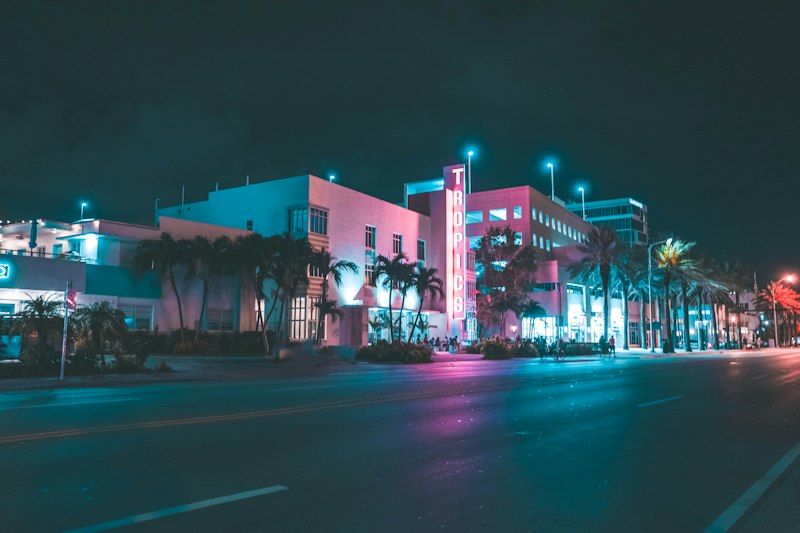
The Art Deco District is the world's highest concentration of 1930s-40s architecture. The buildings are pastel, streamlined, iconic Miami Beach.
Free option: Walk Ocean Drive, Collins Avenue, and Washington Avenue between 5th and 15th Streets. Buildings have historic plaques. Self-guided.
Paid option: The Art Deco Welcome Center offers walking tours ($25). Sunday-Thursday mornings. Worth it if you appreciate architecture and history.
Ocean Drive: The famous strip. Hotels, restaurants, bars, cars driving by. This is the Miami of postcards.
Reality check: Ocean Drive restaurants are overpriced and touristy. The energy is great for a walk and drink. Eat elsewhere.
Lunch: Head one block off Ocean Drive for better prices. Cuban sandwiches are everywhere. Try:
- Puerto Sagua: Cuban institution, solid prices
- Las Palmas: Cuban sandwiches, multiple locations
- Any ventanita (coffee window): Cortadito and pastelitos for $3-5
Afternoon: Pool, Shopping, or Water Activities
If you want the resort experience: Hotel day passes are available at many South Beach properties for $30-80. Pool, chair service, beach access. A relaxing afternoon.
If you want activity:
Kayaking/Paddleboarding: Rental stands along the beach. Calm waters inside the breakwater are good for beginners. $20-30/hour.
Boat tours: Biscayne Bay boat tours offer skyline views and celebrity home sightings. Several operators run from Bayside Marina in Downtown. $30-50 for 90 minutes.
Shopping: Collins Avenue between 5th and 10th Streets has a mix of mainstream and boutique stores. Lincoln Road is pedestrian-only outdoor shopping several blocks inland. Both are pleasant for wandering.
Energy alternative: Go back to your hotel for a midday break. Miami heat is real. Don't power through exhaustion. A 30-minute rest pays dividends for the evening.
Evening: Dinner and Nightlife
Dinner recommendations:
South Beach splurge:
- Joe's Stone Crab: Miami institution. Stone crabs in season (October-May). Expect waits.
- Gianni's at the Versace Mansion: The former Versace home, now a restaurant. Pricey, atmospheric.
- Prime 112: High-end steakhouse. Miami see-and-been-seen scene.
South Beach reasonable:
- Yardbird: Southern comfort food. Popular, lines possible.
- La Sandwicherie: French sandwiches, casual, always busy
- Pizza Rustica: By the slice, open late
Alternative: Downtown dinner. Uber to Downtown/Brickell for dinner, then return to South Beach. The food scene is broader and prices are lower.
Nightlife: South Beach nightlife is famous. Clubs come and go. If this is your interest, check current hot spots before visiting. Bars along Ocean Drive and Collins Avenue stay open late. Hotel bars often have DJs.
Book Miami boat tours and activities with free cancellation
Day 2: Culture and Neighborhoods
Morning: Wynwood Walls
The Wynwood neighborhood is Miami's arts district. What was once an industrial area is now covered in murals, filled with coffee shops, and home to galleries and boutiques.
Wynwood Walls: The centerpiece. A collection of large-scale murals by international artists. Free outdoor viewing. A museum inside costs $12. Plan 1-2 hours for the area.
Beyond the Walls: The surrounding blocks have murals everywhere. Walk NW 2nd Avenue and the surrounding streets. The art changes regularly as new artists contribute.
Coffee and breakfast: Wynwood has excellent coffee. Panther Coffee is the neighborhood institution. Other options throughout the area.
Shops: Independent boutiques, vintage stores, record shops. The area rewards browsing.
Midday: Little Havana
Take an Uber or bus to Southwest 8th Street (Calle Ocho). This is the heart of Miami's Cuban community.
What to do:
- Walk Calle Ocho: The main street. Cuban restaurants, cigar shops, music stores, galleries.
- Cuban coffee: Any ventanita will serve cortadito ($2-3) or café con leche. Stand at the counter, drink quickly, move on.
- Cigars: Cuba Tobacco Cigar Company and others have rolling rooms. Watch cigars being hand-rolled.
- Domino Park: Maximo Gomez Park. Older men playing dominoes, intensely competitive. A cultural experience.
- Azucar Ice Cream Company: Cuban flavors including_abuela maria (vanilla with Maria crackers). Lines form but move fast.
Lunch: Little Havana is about Cuban food.
- Versailles: The most famous. Restaurant plus bakery plus coffee window. Touristy but worth it.
- El Exquisito: Smaller, less famous, excellent Cuban sandwiches
- Doce Provisions: Modern Cuban, higher price point
Afternoon: Coconut Grove or relaxation
Option A: Coconut Grove
Miami's oldest continuously inhabited neighborhood. More relaxed, less touristy. The Village Center has shops, restaurants, cafes. A pleasant afternoon walk.
Option B: Return to South Beach
If day 1's beach time wasn't enough, use the afternoon for more sun and sand. Afternoon is when South Beach energy builds toward evening.
Option C: Hotel break and prep
Don't underestimate the value of rest. Miami can be intense. A 2-hour break sets up a better evening.
Evening: Sunset and Dinner
Key Biscayne sunset (if you have a car): Bill Baggs Cape Florida State Park has a lighthouse and excellent sunset views. 20 minutes from South Beach by car.
South Pointe Park sunset (no car needed): The southern tip of South Beach. Views of the port and Miami skyline. Free.
Dinner: By this point, you know your preferences. Recommendations by neighborhood:
Little Havana: Versailles (classic), El Exquisito (casual), Doce Provisions (modern).
Downtown/Brickell: Sugar (rooftop, Asian), NIU Kitchen (Catalan, small plates), La Placita (Puerto Rican).
South Beach: See day 1 recommendations, or ask your hotel concierge for current spots.
Wynwood: Coyo Taco (elevated Mexican), R House (global small plates), Zak the Baker (Jewish deli, excellent sandwiches).

Budget Tips
Miami can be expensive. Strategies:
Free attractions:
- South Beach (beach access is free)
- Wynwood Walls outdoor murals
- Art Deco walking (self-guided)
- South Pointe Park
- Domino Park in Little Havana
Food strategies:
- Ventanitas (coffee windows) have cheap Cuban coffee and pastries
- Cuban sandwiches are filling and affordable ($8-12)
- Lunch specials at restaurants are 20-30% cheaper than dinner
- Happy hours at South Beach hotel bars can be reasonable
Transportation:
- Walk and Citi Bike in South Beach
- Uber Pool (if available) or public buses between neighborhoods
- Airport bus vs. taxi saves $30-40 round trip
Accommodation:
- Hotels one block from Ocean Drive are significantly cheaper
- Downtown/Brickell offers better value than South Beach
- If you have a car, Key Biscayne and suburbs offer savings
Compare flights to Miami across 800+ airlines
The Realistic Budget
Per person for 48 hours:
- Transportation: $30-50 (Uber/Lyft between neighborhoods)
- Accommodation: $75-200 per night (South Beach vs. Downtown, split with partner)
- Food: $50-100 (mix of Cuban casual and one nicer dinner)
- Activities: $30-60 (tours, museums, boat ride)
- Miscellaneous: $30-50 (coffee, drinks, tips)
Total: $185-450 per person.
South Beach hotels are the biggest variable. Miami has more affordable options than people think. Read our budget travel guide for general money-saving strategies.
Common Mistakes
Staying only in South Beach. The beach is fantastic. But leaving South Beach feels like visiting a different city. Explore.
Eating only on Ocean Drive. The restaurants are overpriced and mediocre. Walk one block inland for better food at lower prices.
Underestimating the heat. Miami is humid. Afternoon thunderstorms are common. Plan indoor activities for 2-4pm.
Not using sunscreen. The Miami sun is intense. Sunscreen is sold everywhere. Use it.
Skipping Cuban culture. Miami's Cuban influence is unique in America. Little Havana and Cuban coffee are essential.
When to Visit
Best: December-April. Dry season, comfortable temperatures, low humidity. Also peak season, so prices are highest.
Okay: May and November. Shoulder season. Humidity rising or falling. Rain possible. Lower prices.
Challenging: June-October. Hurricane season. Hot and humid. Afternoon thunderstorms. Lowest prices. Many hotels offer deals.
Avoid: Spring Break (March), Art Week (early December), and major holidays. Hotels fill up and prices triple. Check calendars before booking.
Day Trips If You Have More Time
Everglades National Park: 1 hour from Miami. Airboat tours, alligator spotting, unique ecosystem. Half-day or full-day excursion.
Key Largo/Islamorada: 1-1.5 hours from Miami. Northernmost Florida Keys. Good for snorkeling, diving, water activities. Day trip possible, overnight better.
Biscayne National Park: 30-45 minutes. Boating, snorkeling, islands. Less developed than Everglades.
Getting Home
Miami International is 20 minutes from Downtown, 30 from South Beach (without traffic). Allow 45-60 minutes total to airport during normal times, longer during rush hour.
Final Thoughts
Miami is what you make of it. It can be a beach resort where you lounge and eat. It can be a cultural immersion in Cuban-American life. It can be art and design and architecture. Your 48 hours should include a bit of each.
The beach is the obvious draw. But walk through Wynwood, drink Cuban coffee in Little Havana, and watch the sunset from South Pointe Park. Those are the moments you'll remember.
For packing strategies specific to beach destinations, see our ultimate travel checklist.
Bring a hat. The Miami sun doesn't play.