
Chicago gets overlooked. Tourists flock to New York and Los Angeles, leaving Chicago surprisingly manageable for visitors. The city has world-class museums, a stunning lakefront, incredible food, and enough neighborhoods to fill weeks of exploration—but you can hit the highlights in a weekend.
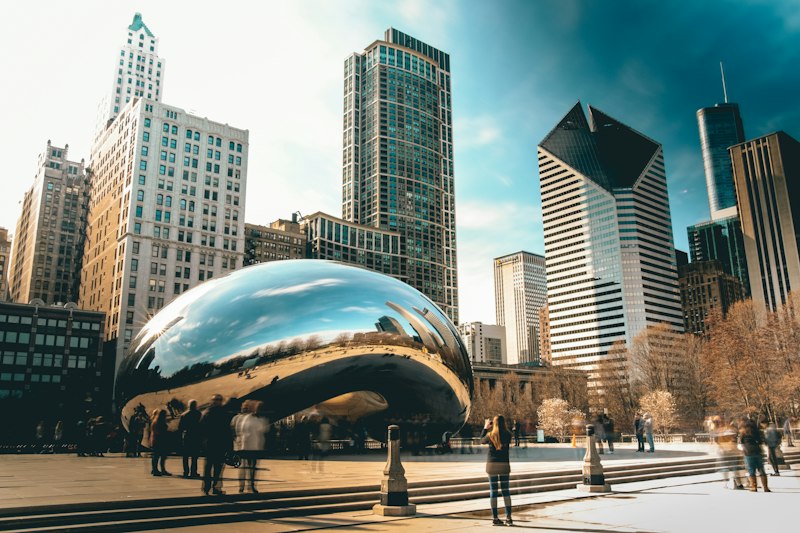
We've visited Chicago dozens of times for work and leisure. The pattern is consistent: people arrive expecting a "second-tier" city and leave wondering why they haven't been before. The architecture is stunning. The food is excellent. The people are friendly. And unlike New York, Chicago feels like a city you can actually get your arms around in 48 hours.
Here's how to do it right.
The Strategy: Walkable and Focused
Chicago is more compact than it looks. The downtown core—the Loop and River North—is walkable. The lakefront provides a natural boundary for wandering. You can experience the city's highlights without spending hours on transit.
Our approach: One day downtown focused on architecture, museums, and waterfront. One day in neighborhoods exploring food, culture, and local life. This gives you classic Chicago plus the places residents actually go.
Where to Stay
Downtown Loop/River North: Most expensive but walkable to everything. Good for first-timers who want maximum convenience.
Lincoln Park or Gold Coast: Walkable to the lakefront and lots of restaurants. Slightly cheaper than downtown. Good for visitors who want a neighborhood feel.
West Loop: The city's dining destination. If food is your priority, stay here.
Budget option: Near O'Hare with transit access or outlying neighborhoods like Wicker Park. You'll need transit to get downtown, but hotels cost half as much.
Compare Chicago hotels across hundreds of booking platforms
What you'll pay: $150-250/night for downtown mid-range hotels. $100-180/night in outlying neighborhoods. Weekends are often cheaper than weekdays (business travel drives Chicago hotel prices).
Getting There and Around
From the airport: Chicago has two major airports.
- O'Hare (ORD): The Blue Line L train runs directly downtown in 45-60 minutes. $5. Uber/Lyft: $35-50, 30-45 minutes depending on traffic.
- Midway (MDW): The Orange Line runs downtown in 30-40 minutes. $5. Uber/Lyft: $25-35.
Both airport trains are clean, reliable, and much cheaper than taxis. Take the L.
Getting around: The L (elevated train) covers most of the city. A day pass costs $20. Single rides are $2.50-3.25. Chicago also has buses, rideshares, and bikes—but the L plus walking covers 90% of tourist needs.
Pro tip: Download the Ventra app to pay for transit without buying physical cards.
Day 1: Downtown Icons and Lakefront
Morning: Architecture and Skyline
Start at Millennium Park (free). The Cloud Gate sculpture locals call "The Bean" is iconic for a reason—it's actually cool, not just famous. Take photos early before crowds arrive. Walk through the park to see the Crown Fountain and Lurie Garden.
Walk east to the lakefront. Chicago's Lakefront Trail spans 18 miles. You don't need to do all of it—just walk north toward Navy Pier. The views of the skyline are unmatched.
Head to the Chicago Riverwalk. This pedestrian path along the river opened relatively recently and connects downtown to the lake. Grab coffee and walk the entire length.
Architecture Tour (Essential)
Take an architecture boat tour. This is not optional—they're that good. The Chicago Architecture Center runs the best tours (75 minutes, $45-50). You'll see dozens of buildings and learn why Chicago's architecture matters. Chicago's skyscraper game is world-class, and the river is the best vantage point.
Book architecture tours and Chicago attractions in advance
If boat tours are sold out or weather is poor, the Chicago Architecture Foundation also offers walking tours of downtown buildings.
Lunch: Deep Dish or Not
You've heard about Chicago deep-dish pizza. Opinions vary. Here's ours: try it once. But understand that deep dish takes 45 minutes to bake and is more like a casserole than a pizza.
Lou Malnati's: Multiple locations, consistently good, takes reservations. Pequod's: Near DePaul, known for caramelized crust, no reservations. Giordano's: Tourist-friendly chain, acceptable but not local favorite.
Alternative perspective: Chicago-style thin crust is excellent and under appreciated. Order from any local pizzeria. The tavern-style pizza is cracker-thin and cut into squares.
Afternoon: Museums or Navy Pier
Museum Campus houses three major museums in one beautiful park by the lake:
- The Field Museum: Natural history, including Sue the T. Rex. $29.
- Shedd Aquarium: Great lakes aquatic exhibit plus ocean animals. $40.
- Adler Planetarium: Astronomy and space science. $25.
You can't do all three. Pick based on interest. The Field Museum is the most comprehensive for general visitors.
Alternative: Art Institute of Chicago. Downtown, not at Museum Campus. The collection is world-class—Impressionist paintings, American art, contemporary works. $25. Allow 2-3 hours minimum. If you only see one museum, make it this one.
Low-energy alternative: Navy Pier. Touristy but pleasant. The Centennial Wheel offers skyline views ($18). Food, shopping, boat rides. Good for when you're tired.
Evening: River North Dining
River North has the highest concentration of restaurants in the city. Every cuisine, every price point. The neighborhood is walkable from downtown hotels.
Recommended approach: Pick a dinner reservation (OpenTable shows availability), then bar-hop before or after. Chicago has embraced the craft cocktail movement thoroughly.
If you want local flavor, The Chicago Athletic Association is a restored historic hotel with multiple bars and restaurants in one building. No cover charge, nice atmosphere, solid food.
Day 2: Neighborhoods and Local Life
Morning: Lincoln Park
Take the Red or Brown Line to Fullerton or Wellington station. Walk through Lincoln Park neighborhood (not the park itself, though that's nice too).
This is one of Chicago's most desirable residential areas. Tree-lined streets, boutiques, cafes. The kind of neighborhood that makes you consider moving.
Lincoln Park Zoo (free). Small but pleasant. The surrounding park has a nature boardwalk with skyline views. Open year-round.
Lincoln Park Conservatory (free). Greenhouses with tropical plants. A 20-minute stop that's worth it.
Brunch: There are dozens of options. Our picks:
- Wildberry Pancakes and Cafe: Famous for pancakes, expect a weekend wait
- Toast: Solid brunch menu, multiple locations
- M. Henry: Southern-influenced brunch beloved by locals
Afternoon: West Loop or Wicker Park
You have two options, depending on what interests you:
Option A: West Loop (Food Focus)
The West Loop is Chicago's dining epicenter. Former industrial buildings converted to restaurants. The concentration of excellent food is remarkable.
Randolph Street is restaurant row. Walk east on Randolph from Halsted. You'll pass dozens of places. Stop wherever looks good, or make reservations at:
- Au Cheval: Famous for burgers (expect long waits, go early)
- Girl & the Goat: Iconic restaurant, book months in advance
- The Publican: Excellent beer and seafood focus
West Loop also has Chicago's French Market. Indoor food hall with vendors selling prepared foods, pastries, coffee. Good for a quick bite.
Option B: Wicker Park/Bucktown (Hipster Focus)
Take the Blue Line to Damen. This is hipster Chicago—vintage shops, record stores, dive bars, coffee shops. The neighborhood is dense and walkable.
Shopping: Vintage clothing, books, records. The stores are what the neighborhood is known for.
Food: Tons of casual restaurants. Everything from ramen to tacos to elevated comfort food.
Late Afternoon: Lakefront or Brewery
If it's warm: Walk or rent bikes on the Lakefront Trail. Start at North Avenue Beach and head south toward the city. The views never get old.
If it's cold or you're tired: Chicago has embraced craft beer thoroughly. Half Acre, Revolution, Goose Island (tourist-friendly, good beer), and many others offer tours and taprooms. Most are accessible by L train.

Evening: Your Choice
Option A: Jazz or Comedy
Chicago invented modern improv comedy. Second City is the famous one (alumni include Tina Fey, Steve Carell, Stephen Colbert). Shows run nightly. Book in advance.
The Green Mill is a historic jazz club in Uptown. Once a gangster hangout (Al Capone's favorite). Still has live jazz nightly. Arrive early for good seats.
Option B: Sports
Depending on season:
- Wrigley Field for Cubs baseball (April-October). The neighborhood around the stadium is an experience itself.
- United Center for Bulls basketball or Blackhawks hockey.
- Soldier Field for Bears football.
Even if you don't care about sports, Wrigley Field is historic and the atmosphere is an essential Chicago experience.
Budget Tips
Chicago is more affordable than New York or San Francisco. These strategies help further:
Free attractions:
- Millennium Park (always free)
- Lincoln Park Zoo (always free)
- Lincoln Park Conservatory (always free)
- Lakefront Trail (always free)
- 606 elevated park (always free)
- Chicago Cultural Center (free art exhibitions)
Cheap eats:
- Portillo's (Italian beef, Chicago staples)
- Al's Beef (Italian beef sandwiches)
- Local taquerias (Chicago has great Mexican food)
- Bodega breakfast sandwiches
- Gyros Mediterranean (a chain, but solid)
Days with discounts:
- Many museums offer free days for Illinois residents (out of luck for visitors)
- The Art Institute has free Thursday evenings for Illinois residents only
- Some attractions offer online discounts for advance booking
Book Chicago tours with free cancellation options
The Realistic Budget
Per person for 48 hours:
- Transportation: $25-35 (L train, airport transfer)
- Accommodation: $75-125 per night (split hotel cost)
- Food: $50-90 (mix of cheap and mid-range)
- Attractions: $40-80 (architecture tour + one museum)
- Miscellaneous: $25-40 (coffee, tips, drinks)
Total: $190-350 per person for a solid weekend.
Chicago hotel prices are generally lower than New York or LA. Still, read our hotel selection guide for tips on getting good value.
Common Mistakes
Staying near the airport. O'Hare is 45 minutes from downtown. Midway is 30 minutes. That "cheap" airport hotel will cost you hours in transit.
Skipping the architecture tour. This is Chicago's signature experience. Don't miss it.
Eating only deep dish. Chicago's restaurant scene is broader than pizza. Branch out.
Underestimating distances. Chicago looks walkable, and it is—but the city is large. Use the L when you need it.
Ignoring neighborhoods. Downtown Chicago is great. But the neighborhoods are where the city lives. Spend at least half a day outside the Loop.
When to Visit
Best: May-June and September-October. Moderate temperatures, pleasant lakefront.
Good: July-August. Hot and humid (Chicago gets humid), but everything is happening. The lakefront is packed.
Challenging: November-March. Cold. Very cold. Sub-zero wind chills are normal. But Chicago winter is an experience, hotels are cheap, and the city keeps operating.
Avoid: Lollapalooza weekend (early August) if you don't like crowds and festivals. Hotels double in price.
Chicago vs. Other Cities
If you're deciding between Chicago and other cities:
- Vs. New York: Chicago is smaller, cheaper, and more manageable. Less overwhelming for first-time city visitors. Similar big-city energy.
- Vs. Los Angeles: Chicago has better public transit, walkable neighborhoods, and distinct seasons. LA has better weather year-round.
- Vs. San Francisco: Similar size and density. Chicago is colder but more affordable. Both have great food and culture.
Our weekend getaway ideas include Chicago as a Midwest destination for good reason—it punches above its weight in every category.
Getting Home
Both O'Hare and Midway connect directly to downtown via the L. Allow 60-90 minutes door-to-door. The trains run early morning and late night—check schedules if you have an early flight.
Final Thoughts
Chicago is accessible in a way that other major cities aren't. You can experience the highlights in 48 hours without feeling rushed. The architecture is world-class. The food is diverse and excellent. The people are genuinely friendly.
First-time visitors often ask why Chicago isn't more famous. We're not sure either. But we're not complaining—less crowds, more value, same big-city experience.
For more on planning efficient weekend trips, our limited PTO travel guide offers strategies for maximizing short vacations.
Pack layers. Lake Michigan makes the temperature unpredictable. And order an Italian beef sandwich. It matters.