
I've watched travelers at airport counters frantically searching through bags for documents they swore were in there. I've been that traveler standing at a foreign immigration desk, heart pounding, wondering if I forgot something crucial.
After one too many close calls, I developed a system. This checklist has served me through 15 countries—nothing forgotten, no emergencies at immigration.
Here's what to bring on every trip, plus how to organize it all.
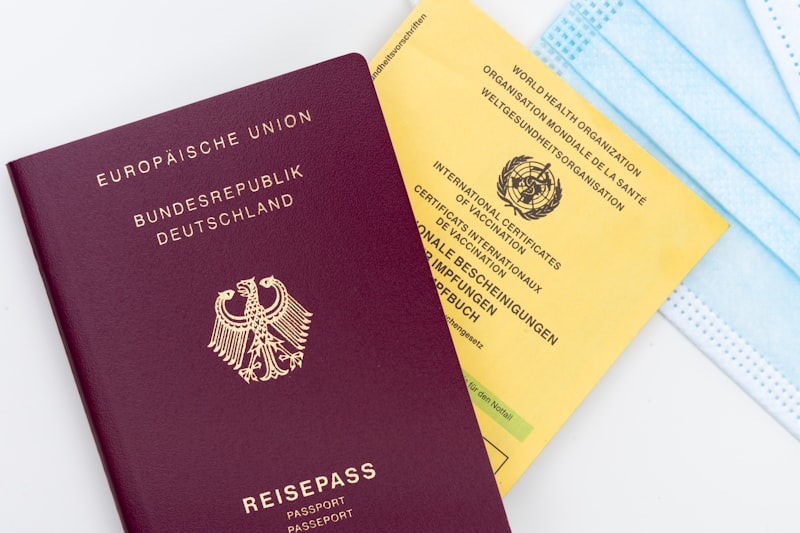
The Essentials: Never Leave Home Without
These documents are non-negotiable for any international trip. Without them, you won't get past check-in.
Valid Passport
The obvious one. But it's more nuanced than "it exists":
- Six-month validity rule: Many countries require your passport to be valid for six months beyond your planned departure date. Not arrival—departure.
- Blank pages: Some countries require two blank pages for entry stamps. Others don't care. Bring a passport with at least three blank pages.
- Condition: Damaged passports (water damage, torn pages, peeling laminate) can be rejected. If yours looks battered, renew before you travel.
Pro tip: Photograph your passport's photo page and email it to yourself. If it's lost or stolen, having the passport number and photo makes replacement at a consulate much faster.
Visa (If Required)
Visa requirements vary by destination, citizenship, and trip purpose:
- Research early: Visa processing can take weeks or months in some countries
- Apply through official channels: Embassy websites, not third-party services claiming to "expedite" visas
- Print confirmation: E-visas and visa autorizations need printed copies in many countries
Destination-specific research is essential. The U.S. State Department website (travel.state.gov) provides up-to-date entry requirements for U.S. citizens. Citizens of other countries should check their own foreign ministry resources.
Proof of Onward Travel
Many countries require proof you're leaving:
- Return ticket: The most straightforward proof
- Onward ticket: For open-jaw trips, show a ticket leaving the country
- Bus or train tickets: Accepted for land border crossings
Airlines sometimes deny boarding if you don't have proof of onward travel—they're responsible if immigration rejects you.
Use Kiwi's onward ticket option to show temporary proof of travel if your plans are flexible
The Should-Haves: Critical But Easy to Forget
These aren't always required, but when they are, you'll be glad you have them.
Driver's License (International)
If you plan to rent a car, you might need both:
- Your regular license: Required everywhere
- International Driving Permit (IDP): Required or recommended in many countries
An IDP is a translation of your license, not a license itself. It's useless without your original license. Get one at AAA in the U.S. for around $20—no test required, just your existing license and photos.
Vaccination Records
Some countries require proof of specific vaccinations:
- Yellow fever: Required for entry to certain African and South American countries
- COVID-19: Requirements shifted rapidly; check current entry rules
- Routine vaccinations: Keep records of MMR, tetanus, and other standard vaccines
Carry the official vaccination certificate (WHO Yellow Card for yellow fever, CDC COVID card, or digital equivalents where accepted).
Travel Insurance Documents
You have travel insurance. Now make sure you can prove it:
- Policy number and coverage details: Know what's covered before you need it
- Emergency contact number: The 24/7 hotline for claims and emergency assistance
- Proof of coverage: A digital or printed certificate for border entry requirements
For a full breakdown of whether travel insurance makes sense for you, see our guide on whether travel insurance is worth it.
The Copy Strategy: Paper and Digital
Losing documents abroad is stressful. Having copies transforms it from crisis to inconvenience.
Paper Copies
Make photocopies of:
- Passport photo page
- Visa documents
- Driver's license
- Travel insurance policy card
- Credit cards (front only—no need for the back with security codes)
Keep them in a separate location from the originals. If your bag is stolen, your backup copies shouldn't be in it.
Digital Copies
Store documents in multiple digital locations:
- Email to yourself: Attach PDFs of passport, visas, insurance, and important reservations
- Cloud storage: Google Drive, Dropbox, iCloud, or Microsoft OneDrive
- Phone storage: Download for offline access when you don't have data
Important: For sensitive documents, consider encrypted storage or password protection. If your phone is stolen, you don't want your passport photo accessible to thieves.
Reservation Confirmations
Organizing reservations prevents frantic searches at check-in:
Flights
- Booking confirmation: The six-character alphanumeric code (PNR)
- Boarding passes: Mobile boarding passes are convenient, but print backups for international flights
- Baggage receipts: Keep these until you have your bag—airlines need the numbers to locate lost luggage
Accommodations
- Booking confirmation: Printed or easily accessible on your phone
- Hotel contact info: Address and phone number for taxi drivers and border forms
- Payment receipt: In case of billing disputes
Activities and Tours
- Confirmation vouchers: Most tour companies require printed or mobile vouchers
- Meeting point addresses: Written clearly to show taxi drivers
- Contact numbers: For finding tour guides at crowded locations
Book attractions and tours through Tiqets for mobile ticket delivery and instant confirmations
Financial Documents
Money issues can derail trips. Protect yourself:
Credit and Debit Cards
- Multiple cards: Bring at least two cards from different banks
- Bank phone numbers: International numbers to call for lost/stolen cards
- Daily withdrawal limits: Know your ATM limits before you need cash
- Foreign transaction fee information: Some cards waive these; others charge 3%
Cash
- Local currency: For countries where cards aren't widely accepted
- USD or EUR: Widely accepted as backup in many developing countries
- Small bills: Easier to change and spend
Bank Contact Information
Know how to reach your bank internationally:
- Collect call numbers: Most major banks accept collect calls from abroad
- Bank app messaging: Many banks handle inquiries through secure in-app messaging
- Lost card procedures: Know the process before you need it
Health Documents
Beyond insurance, medical documentation matters:
Prescription Medications
- Original containers: Keep medications in labeled pharmacy bottles
- Doctor's letter: For controlled substances, a letter stating medical necessity
- Generic names: Know generic names of your medications—brand names vary by country
Important: Some medications legal in your home country are illegal abroad. Check embassy websites for restrictions.
Medical Information
- List of allergies: Particularly drug allergies for medical emergencies
- Chronic conditions: Brief medical summary for foreign doctors
- Blood type: Useful for medical emergencies
- Emergency contacts: Names and numbers in your wallet and phone
Country-Specific Requirements
Some documents are destination-specific:
Schengen Area (Europe)
- Proof of accommodation: Hotel bookings or invitation letter
- Proof of funds: Bank statements showing sufficient money for your stay
- Travel insurance: Minimum €30,000 medical coverage required for most travelers
China
- Visa: Required for most travelers, obtained in advance
- Hotel registration: Must register with local police within 24 hours of arrival
- Health declaration: Required for entry
Japan
- Passport: Valid for entire stay
- Return ticket: Proof of onward travel required
- Customs declaration: Completed on arrival
USA (for international visitors)
- Passport: Valid for entire stay
- Visa or ESTA: Electronic authorization for visa-waiver countries
- Address in USA: Hotel or contact information for immigration forms
Always verify current requirements through official government sources—these change frequently.
Organizing Your Documents
A system prevents the frantic search:
Physical Organization
Use a travel document organizer with labeled sections:
- Passport and visas (main compartment)
- Flight documents (airline tickets, boarding passes)
- Hotel confirmations
- Insurance and medical info
- Financial documents (cards, bank numbers)
Keep this organizer accessible in your carry-on—never in checked luggage.
Digital Organization
Create phone folders:
- Flights folder: Airline apps, boarding passes, flight confirmations
- Hotels folder: Booking confirmations with addresses
- Documents folder: Passport photo, insurance card, visa copies
- Emergency folder: Embassy numbers, insurance hotline, credit card cancellation numbers
The Ultimate Document Checklist
Print this. Check it before every trip:
Identification:
- Passport (with 6+ months validity)
- Visa (if required)
- Driver's license
- International Driving Permit (if renting cars)
Reservations:
- Flight confirmations
- Hotel confirmations
- Tour/activity vouchers
- Train and bus tickets
Insurance and Health:
- Travel insurance card/policy
- Vaccination records (if required)
- Prescription medication documentation
- List of allergies and medical conditions
Financial:
- Credit cards (at least 2)
- Debit card
- Emergency cash in USD/EUR
- Bank contact numbers
Backups:
- Paper copies of all identification
- Emails with digital copies
- Cloud storage backup
- Offline phone copies
Entry Requirements (varies by destination):
- Proof of onward travel
- Proof of accommodation
- Proof of sufficient funds
- Invitation letter (if visiting someone)
Having the right documents eliminates one major source of travel stress. For more help preparing for your trip, check our guide on TSA PreCheck vs Global Entry—these programs dramatically speed up airport security and customs lines.
And if you're planning your first international trip, bookmark this page. The peace of mind is worth the thirty minutes it takes to check everything off.
Need to stash documents or bags while exploring on departure day? Find luggage storage near airports and train stations worldwide.