

It’s normal to feel nervous at airport security, but you can breeze through with a few TSA updates — see Travel Tips 2025 | Transportation Security Administration. You’ll learn what’s allowed, how shoes and jackets are screened, and how PreCheck or Global Entry speeds your way past lines so you can keep your shoes and a light jacket on. If you forget to take out liquids, tell the officer and they’ll help; quick checklist: ID, liquids in a clear bag, laptop accessible, PreCheck pass if you have it, and three slow breaths to calm you.
The Underlying Stressors of Airport Security
Long lines, shifting rules, and the pressure of tight connections all feed into the stress you feel at checkpoints. At major hubs you can face waits of 30–60 minutes during peak periods, while TSA PreCheck lanes often clear in under five minutes, so the difference in experience is dramatic and immediate.
Confusing signage, last-minute gate changes, and multiple apps vying for your attention make decision-making harder than it needs to be. If you forget to take out liquids — for example a quart bag of 3.4 oz (100 ml) bottles — you’ll usually be asked to pull the bag out for inspection or discard oversized items, which adds extra time and stress.
Long Lines and Poor Planning
Peak travel windows like early morning (roughly 5–9 a.m.) and late afternoon (3–7 p.m.) consistently create bottlenecks, especially during holiday weeks when passenger volume can jump 20–30%. Arrive at least 2 hours for domestic flights and 3 hours for international travel; if you have PreCheck, plan on cutting that buffer by about half but still allow extra time for airport navigation.
Airports sometimes under- or over-staff checkpoints, and sudden surges from delayed flights make lines unpredictable; during recent holiday seasons some U.S. airports reported staffing-related backups lasting an hour or more. Use real-time wait tools like the MyTSA app and your airline’s airport maps to pick the shortest security entrance and avoid last-minute gate scrambles.
Time Pressure and Information Overload
Multiple notifications — boarding time, gate change, security wait alerts — can come in within minutes and force rushed choices that lead to forgotten items or skipped steps. Turn on only high-priority alerts (gate changes and boarding calls) and set them for 45–60 minutes before boarding so you have time to clear security without sprinting.
When you get a last-minute alert, prioritize actionable items: check the posted wait time, locate the nearest PreCheck lane if you have it, and prepare your ID and quart bag for the bin. Simple routines cut through overload: put liquids in an outside pocket, wear slip-on shoes, and keep your boarding pass ready on your phone or printed copy.
Quick checklist: enable gate-change and boarding alerts; check MyTSA wait times before leaving for the airport; pack liquids in a single 1-quart clear bag and place it in an easy-to-reach spot; wear easy-on shoes and keep ID/boarding pass accessible so you can move through screening calmly.
Navigating the New TSA Landscape in 2025
Travel days are smoother in many airports thanks to wider use of automated screening lanes and more consistent PreCheck policies. You’ll find TSA PreCheck available at 200+ airports and accepted by 90+ airlines, and CT-style scanners at major hubs often let you leave small electronics and properly bagged liquids in your carry-on.
Quick checklist: have a Real ID-compliant license or passport, boarding pass ready (mobile is fine), liquids in 3.4 oz (100 mL) containers inside one quart-size clear bag, laptop in an easy-to-access sleeve unless you’re in PreCheck, and be prepared for a biometric scan at select lanes. If you forget to remove liquids, step aside when asked—agents usually do a quick secondary check and let you re-pack allowed items or dispose of prohibited ones.
Latest Rules on Electronics and Liquids
Phones and tablets often can stay in your carry-on at checkpoints that use advanced CT scanners, but larger laptops (roughly 12 inches and up) may still need to come out unless you have PreCheck. Packing tip: put laptops and tablets on top of your bag so you can pull them out quickly if asked, or use a single padded sleeve that slides into the bin easily.
Liquids remain limited to 3.4 oz (100 mL) per container in one quart-size clear bag placed in a bin when requested. If you accidentally leave a full-size bottle in your bag, agents usually ask you to step out for a quick inspection—most travelers are back in line within 3–10 minutes after repacking or disposing of the item.
Updated Procedures for IDs and Biometrics
Real ID enforcement for domestic flights takes effect May 7, 2025, so you’ll need a Real ID-compliant driver’s license, passport, passport card, or another accepted form to board without problems. Biometric lanes using facial matching are expanding at many airports; the automated match typically completes in under three seconds and can reduce time in line when you opt in.
You always have the option to opt out of biometric screening and show a physical ID instead, which will trigger a short manual verification by an officer. If your booking name doesn’t exactly match your ID, carry supporting documents like a passport or marriage certificate to resolve mismatches quickly.
For Global Entry or TSA PreCheck benefits, add your Known Traveler Number to your airline profile and reservation so the system recognizes you at check-in and security. Accepted ID forms include Real ID licenses, passports, passport cards, DHS Trusted Traveler cards, and military IDs; if a biometric check flags an issue, agents typically perform a manual check that takes about 5–15 minutes, so stay calm and have your documents ready.
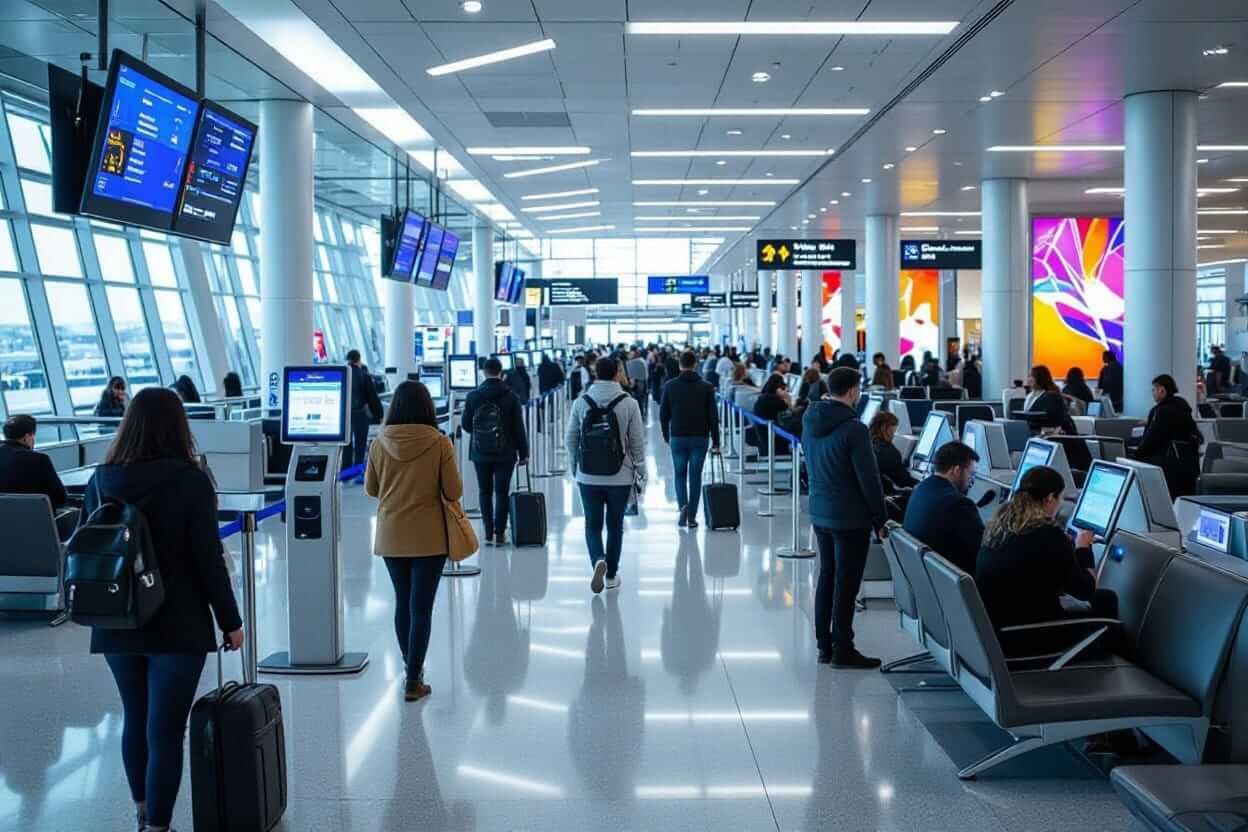
Maximizing Your Speed: PreCheck and Global Entry
PreCheck keeps you from removing shoes, belts, light jackets and often lets laptops stay in your carry-on, shaving minutes off every domestic screening; the program is accepted at over 200 airports and more than 80 airlines. Apply online, book a short in-person appointment, and pay the $78 fee for five years to enroll—details and extra screening tips are in TSA Security Tips for 2025: Your Guide to Fast, Stress-Free …
Global Entry adds expedited U.S. customs processing for international arrivals and includes TSA PreCheck; the current fee is $100 for five years and requires a kiosk interview and fingerprinting. You can often clear customs in under 10 minutes at busy ports of entry, which makes Global Entry a big time-saver if you return from abroad frequently.
Are You a Good Candidate?
If most of your travel is domestic and you fly several times a year, PreCheck usually pays off by cutting downtime at security and lowering stress before flights. Frequent business travelers who average weekly or monthly flights often report PreCheck lines under five minutes, so you spend less time pacing airport corridors and more time working or relaxing.
Global Entry is aimed at travelers who re-enter the U.S. from international trips at least twice a year; the faster customs processing can turn a long post-flight slog into a short kiosk stop. Note that both programs require background checks and an in-person step—certain criminal histories can disqualify you, and Global Entry includes fingerprinting and a CBP interview.
Weighing Costs Against Benefits
Run a simple cost-benefit: PreCheck ($78/5 years) might save you 5–15 minutes per security episode, so if you take 50 flights a year and value your time at $15/hour, that could translate to 6–12 hours saved annually—easily covering the fee. Global Entry ($100/5 years) becomes cost-effective if you do several international trips yearly because it often eliminates long customs lines and includes PreCheck.
Also account for non-monetary gains: less packing stress, fewer surprises at checkpoints (for example, you can focus on fixing a forgotten 3-1-1 bag mistake with an agent instead of juggling a slow line), and better predictability when tight connections are on the docket. Busy travel seasons and airports with chronic backlogs magnify these benefits.
If you travel with family, note that children 12 and under may use the PreCheck lane when accompanied by an enrolled parent or guardian, but every person needs their own Global Entry membership; processing times for interviews can range from days to months, so check appointment availability or use Enrollment on Arrival where offered to speed things up.
Smart Packing Strategies for a Smoother Experience
Organize your carry-on so screening items sit on top: laptop in an easy sleeve, toiletries in a clearly visible pocket, and shoes accessible if you expect to remove them. Place heavier items near the wheels to keep the bag stable on the X-ray belt and pack a small clear pouch for importants you’ll need to pull out quickly.
Keep prescriptions and medical devices separate in an outer pocket; TSA allows medications in larger than 3.4 oz amounts, but you should declare them at the checkpoint. Stash a compact change of clothes and travel-size hygiene kit in your personal item so a bag delay won’t derail your trip.
Mastering the Liquids Bag Rule
Follow the 3-1-1 rule: containers no larger than 3.4 oz (100 ml), all fitting inside one quart-sized, resealable clear bag, and one bag per traveler. Put that bag in an outer compartment or the top of your carry-on so you can slide it into the bin in one motion.
If you forget to take liquids out, calmly pull your bag aside and take out the liquids yourself — officers will usually ask you to remove them rather than opening containers. Duty-free purchases in tamper-evident bags with receipts are often allowed even if larger than 3.4 oz, but check the purchase receipt and the bag seal before you get to the checkpoint.
Electronics and Clothing Choices That Save Time
Place laptops and large tablets in a dedicated sleeve at the top of your bag so you can lift them out in one move; many checkpoints still require larger electronics to be placed in bins separately. If you have TSA PreCheck, you frequently can leave laptops and compliant liquids packed, which shaves steps off the process — still keep them accessible in case officers ask.
Shoes that slip on and off, minimal metal jewelry, and a light jacket that folds into your bag speed things along; belts with large buckles are the most common surprise that slows people down. Foldable slip-on shoes or low-profile sneakers work best for quick removal and replacement while keeping you comfortable.
Quick tech tip: use cable organizers and a single pouch for chargers, power banks (check airline limits — most allow 100 Wh in carry-on, up to 160 Wh with airline approval), and earbuds so TSA doesn’t flag loose cords. Storing your phone and smartwatch in an easily reachable pocket prevents delays from unexpected alarms or gate changes during screening.
Quick checklist: 3-1-1 liquids bag on top; laptop in an easy-access sleeve; prescriptions in outer pocket and declared if needed; slip-on shoes and minimal metal; chargers and power banks in one pouch (check Wh limits); one clear pouch for small toiletries.
Thriving Under Pressure: Stress Reduction Techniques
Small, repeatable habits cut stress faster than last-minute panic. Try pairing concrete prep (bags packed, apps open) with short breathing exercises at the gate; doing five rounds of box breathing (inhale 4s, hold 4s, exhale 4s, hold 4s) often lowers your heart rate and clears your head within a few minutes.
Using expedited programs when you qualify removes a big source of anxiety: lines. TSA PreCheck typically keeps you out of the main bin shuffle and can shave screening time to just a few minutes, while CLEAR speeds ID verification at many major U.S. airports so you spend less time standing and more time focused on travel plans.
The Importance of Arriving Early
Plan on arriving about 2 hours before domestic flights and 3 hours before international departures at busy airports; major hubs often see security spikes 60–90 minutes before peak departure windows. If you forget to take liquids out, move to the side, open your quart bag, and either place items in the bin or let an officer advise—duty-free sealed purchases with receipts usually pass through in the tamper-evident bag.
Quick checklist: 1) Aim for 2 hrs domestic / 3 hrs international; 2) Wallet, boarding pass, and ID in an easy-to-reach pocket; 3) Liquids in 3.4 oz (100 ml) containers inside a single quart-sized bag; 4) Laptop and large electronics ready to remove unless you have PreCheck; 5) Wear easy-on shoes unless you’re in an expedited lane.
Breathing Techniques and Helpful Travel Apps
Box breathing and the 4-7-8 technique are simple to do anywhere: for box breathing use 4-4-4-4 cycles for five rounds, and for 4-7-8 inhale 4s, hold 7s, exhale 8s for three to six rounds; doing these while waiting in line or seated at your gate helps steady your breathing and reduce jitteriness. Progressive muscle relaxation—clench for 5 seconds then release, working from your toes to your head—adds quick physical relief if flight nerves make you tense.
Use apps to take the guesswork out of timing and rules: MyTSA shows real-time wait times and the latest carry-on rules; CLEAR verifies identity at biometric kiosks at dozens of airports so you skip the ID check line (paid service); Calm, Headspace, and Breathe2Relax offer guided breathing sessions for 1–10 minutes to calm your nerves before screening.
If you get separated from your quart bag or forget a rule, tap MyTSA for up-to-date guidance on allowed items and nearby options like checking a bag or finding a shop past security; pair that with noise-canceling headphones and a short guided session from Calm for an immediate, practical way to stay calm and get back on track.
Your Stress-Free Security Checklist
Essential Items to Prepare
Have your government photo ID and boarding pass ready—mobile boarding passes work fine if your screen is unlocked and bright. Place liquids in containers of 3.4 oz (100 ml) or less inside a clear quart-sized bag and set that bag on top of your carry-on for quick access at the conveyor.
Keep laptops and large electronics in an easy-access pocket (you can usually leave them in your bag if you have TSA PreCheck). Quick checklist: ID; boarding pass; quart bag with 3.4 oz/100 ml liquids; laptop/tablet charged; prescription meds in carry-on; shoes that slip on/off. If you forget to take out liquids, tell the officer—small items may be swabbed or screened separately, while oversized containers are typically disposed of or moved to checked baggage.
Final Reminders Before You Step into Line
Check live wait times on the airport app or overhead monitors and choose the shortest lane; plan on about 2 hours for domestic flights and 3 hours for international to avoid rushing. Confirm your boarding pass shows any Trusted Traveler status (TSA PreCheck or Global Entry) so you use the correct lane.
Empty pockets of coins, keys, and phones into your carry-on to avoid last-minute fumbling, and place shoes and light jackets where they’re easy to remove if needed. If anxiety rises, use steady box breathing (inhale four, hold two, exhale six) and tell the officer you need a moment—agents will often walk you through the steps calmly.
Verify your Known Traveler Number is added to your reservation before you arrive; PreCheck enrollment fees run around $78 for five years and Global Entry about $100 for five years, and Global Entry includes expedited customs plus PreCheck benefits. If your boarding pass doesn’t show PreCheck, proceed through standard screening—random selection can still happen—so keep your carry-on organized and a spare quart bag handy.
Conclusion
The new TSA updates and expanded PreCheck and Global Entry lanes mean security is quicker and less stressful, so you can focus on enjoying your trip. If you forget to take out liquids, tell the officer and they’ll often let you repack or hand the items back so you can put them in your bag. Take deep breaths, prep your boarding pass and ID, and wear shoes and layers that are easy to remove to stay calm and move fast.
You’ll move through security more smoothly by using these small habits and tools. Quick checklist:
– Keep liquids in a clear, 1-quart bag at the top of your carry-on
– Wear slip-on shoes and remove jackets only when asked
– Use PreCheck or Global Entry to skip shoe and laptop screening when eligible
– If you feel rushed, arrive early and try a few slow breaths before the line
FAQ
Q: What changed at airport security in 2025 and how does it affect me?
A: Many airports now use more touchless ID checks and advanced bag scanners that let officers see inside luggage without unpacking everything. That can speed lines and mean you need to pull out fewer items at some checkpoints, though rules still vary by airport. If you see a facial scan or a one-touch kiosk, follow the on-screen prompts and keep your ID and boarding pass handy.
Q: What items am I allowed to bring and what should I take out of my bag?
A: Liquids are still the 3-1-1 rule: containers of 3.4 oz (100 ml) or smaller in a single quart-size bag. Medications, baby formula and medical devices are allowed and can be screened separately—just tell the officer. Many checkpoints now use CT scanners so laptops and liquids can stay in your bag, but if an officer asks you to remove something, place it in a bin. Example: if you forget to take out liquids, tell the officer and they will ask you to place the bin on the belt or guide you to discard the item.
Q: How do PreCheck and Global Entry help, and what are calming tips for nervous travelers?
A: TSA PreCheck lets you keep shoes, belts and light jackets on and often leave laptops in your bag, which makes screening quicker and less stressful. Global Entry speeds up U.S. customs for international arrivals and usually includes PreCheck, so both cut wait time at key points in your trip. To stay calm, give yourself extra time, use slow breathing or a short playlist, and tell the officer if you feel anxious so they can offer a gentler lane or extra help.
Quick checklist:
– ID and boarding pass ready and easy to reach
– Quart-size bag of liquids on top of carry-on
– Medications and baby items separate and declared
– Wear easy shoes and a light jacket you can fold off quickly
– If you have PreCheck or Global Entry, add your number to your reservation and use the dedicated lane
– Allow extra time if you feel rushed or nervous (90+ minutes domestic, 2+ hours international)